
RESEARCHER, ADVOCATE,
EXPERIENTIAL STORYTELLER.
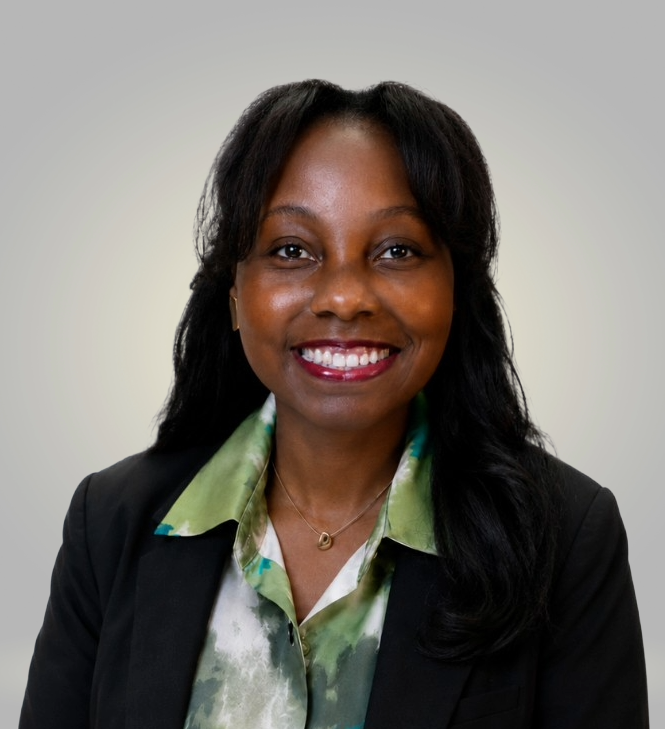
Dr. Sarah Barrett helps nonprofits, foundations, economic developers, and campus leaders rethink poverty, economic mobility, and the systems that shape opportunity.
Through keynotes, workshops, and strategy, she brings together lived experience, research, and community insight to ask a different question:
What if we stopped asking how to move people through broken systems and started rebuilding the systems themselves?

"Dr. B completely changed how I think about intent and the impact of the systems we've created ."
"This workshop challenged some of my core assumptions in a way that was uncomfortable, but necessary."
“I walked away seeing things I’d never questioned before, and can’t unsee now.”
"They told me I was the exception...
turns out I'm the rule."
About Dr. Sarah Barrett
Welcome.
I'm Sarah Frances Barrett.
I'm a researcher, an advocate, and a part-time chicken farmer.
That means I believe in both the power of evidence and eggs.
I've spent my entire life navigating systems that were never designed for people like me.

The Story I Inherited
The thing my mom wanted most in the world was to be a mom, and she successfully carried six healthy babies over her lifetime.
She also carried food insecurity, homelessness, and violence in her own story, and then handed them down almost as easily as she did her genes to all six of us.
The Story My Body Knew
This is what hunger looked like in my little body.
Not emergency.
Not crisis.
Just constant.
And constants shape you.


The Questions My Story Left Me With
"When Hunger Hurts"
I felt compelled to understand why food insecurity isn't classified as an Adverse Childhood Experience (ACE) when it should be.
When Hunger Hurts became the story I had to tell.
Everyone needs food.
Not everyone has access to it.
The Work That Came From It
Going into philanthropy wasn't about leaving the need behind.
It was about getting close enough to deconstruct the story and rebuild the systems that created it.
Work with Dr. Barrett
For organizations ready to go deeper than a single session. Experiential, facilitated, and honest reflection that's not based on role-or performative discomfort.
Available as half-day or full-day sessions. Participants leave with the Structural Compassion framework and concrete practices they can build into their work immediately.
Workshops
& Training
Built for conferences, convenings, and large audiences ready to be challenged. Available as 30, 45, or 60-minute sessions, fully customized to your audience and grounded in the same throughline as the story above: what looks like an exception is usually the rule.
Speaking Engagements
For funders, chambers, direct-service nonprofits, and entrepreneurship organizations that want to close the gap between what they intend and what people actually experience — using the Restorative Economies framework above to move past mobility metrics into real, funder-ready evidence of impact.
Organizational Consulting
Past Clients & Partners



THE APPROACH
STRUCTURAL COMPASSION
We don't just inherit systems. We inherit the stories that explain them.
Those stories shape how we understand poverty and economic mobility — who we think needs help, what we believe causes hardship, which solutions seem reasonable, and what we count as evidence of success.
Structural Compassion is a framework for interrupting those stories and what they produce.
It brings lived experience, research, community voice, and years inside philanthropy together to help organizations see beyond the narratives and assumptions shaping their work to make more informed and compassionate decisions.
See it
Helping organizations understand poverty differently, through the lens of lived experience, systems analysis, and structural compassion.
Name It
Helping organizations and advocates move from service delivery into systems change, using story as the engine of policy movement.
Measure It
Helping organizations understand not just what they did, but what it meant — and how to communicate that meaning to the people who need to hear it.
“Most of what we think we know about poverty comes from stories we didn’t choose. Stories we absorbed. Stories we were told were ‘that’s just how it is.’
Some were meant to help. Many were meant to explain.
And almost all are meant to make poverty easier to live alongside — without asking much of us.”
Frequently asked questions
FAQ
You're probably
wondering...
